Organization of activities
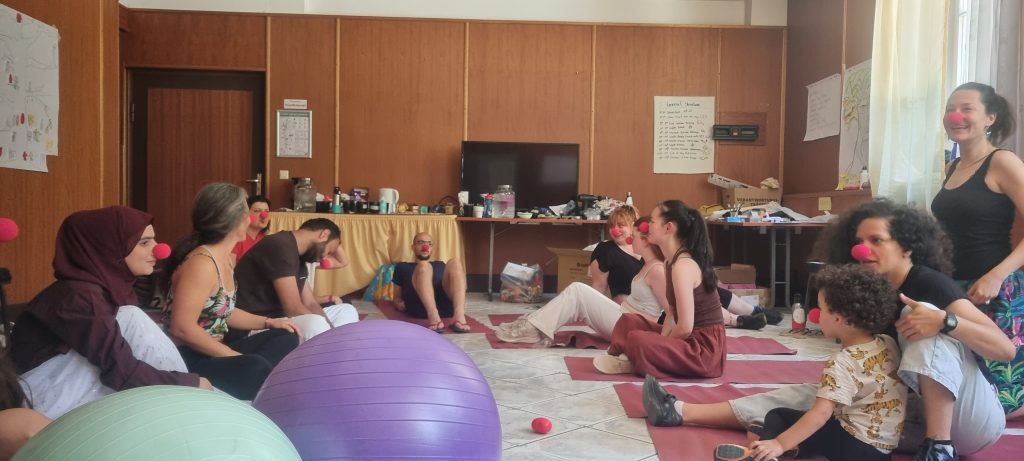
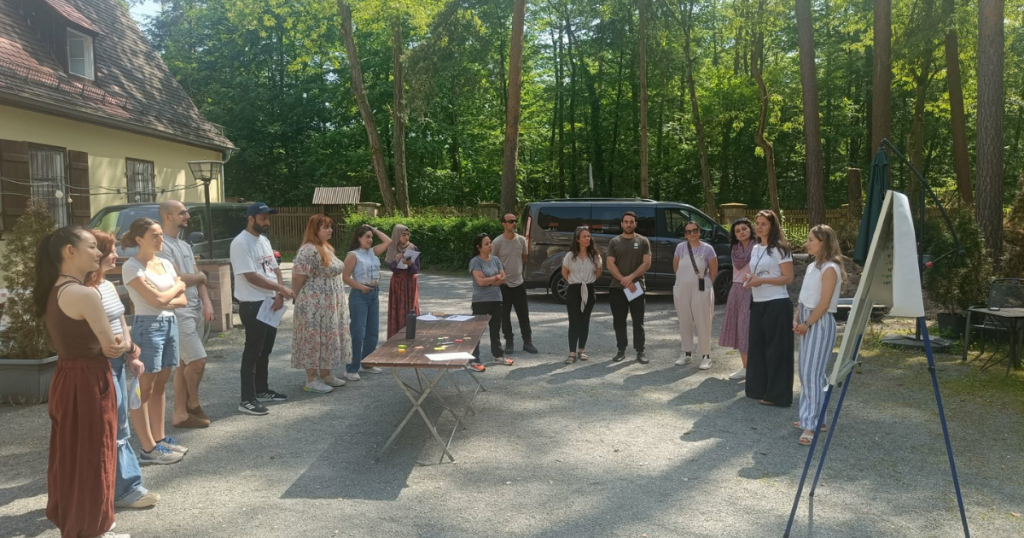
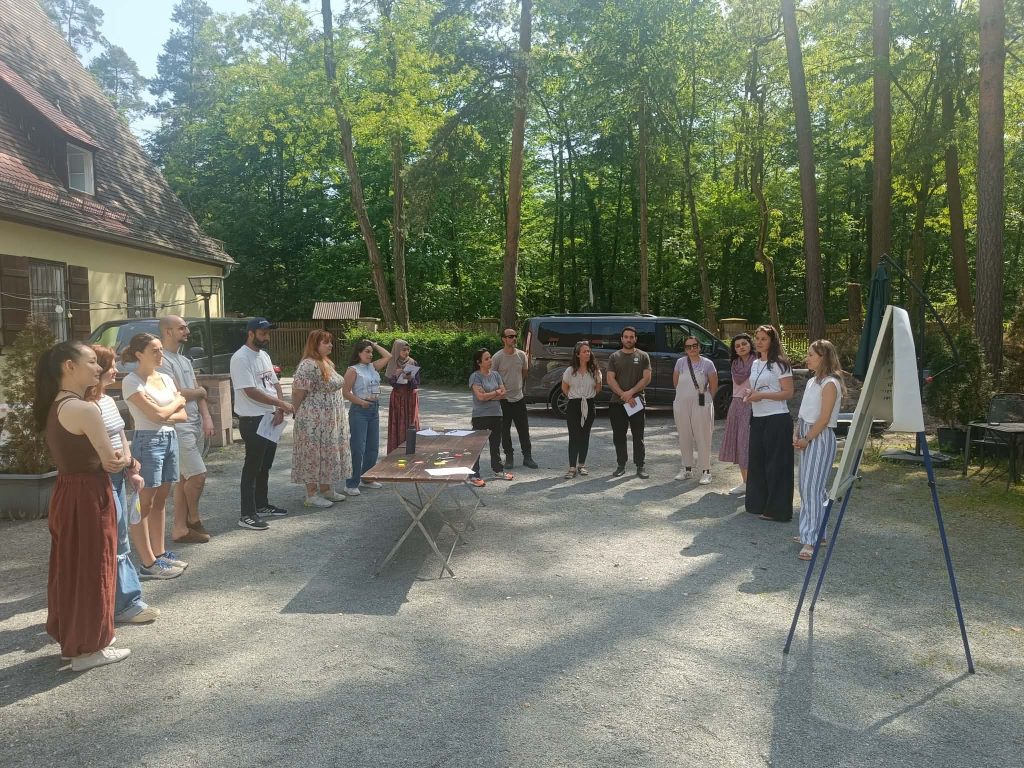
From May 23 to 28, the WELLCORE Project’s Training of Trainers took place, with the participation of 18 youth workers, educators, and trainers from various fields in Bulgaria, Spain, Italy, and Germany.
The training was hosted at the Nuremberg Youth Hostel by the German organization Highlights and facilitated by trainers from all the organizations participating in the project: Diana and Dina, from Highlights, an NGO dedicated to non-formal education, mental well-being, sustainability, and the empowerment of disadvantaged youth. Sara, from Sciara Progetti, a theater company founded in 2009. It uses artistic creation and education as social tools for students and young people. Theodora, from Impact Drive, an organization specializing in capacity-building and leadership at the individual and organizational levels to achieve positive social change in communities. And Ohiane, from Defoin, a company with expertise in job training and labor market integration, as well as non-formal education and trainer training at the European level.
The “WELLCORE” training course has provided practical tools through an immersive learning experience and a space for exchange among trainers on the topic of well-being in youth work, based on four main modules or themes:
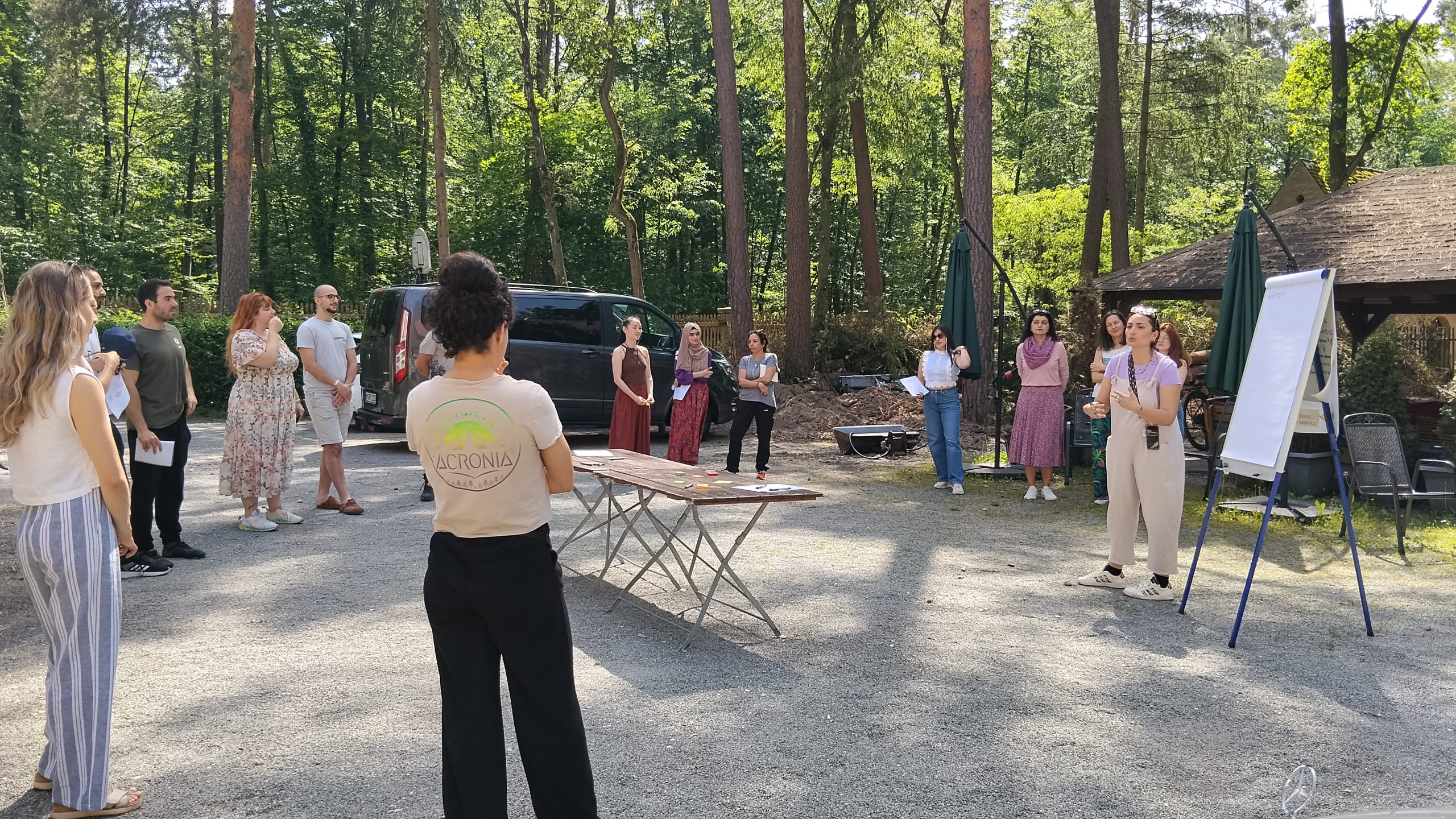
Well-being (values and meaningful work, self-perception, and nurturing inner well-being through reflection and movement sessions)
Mental health and connection through nature and theater (awareness of safe connection and consent).
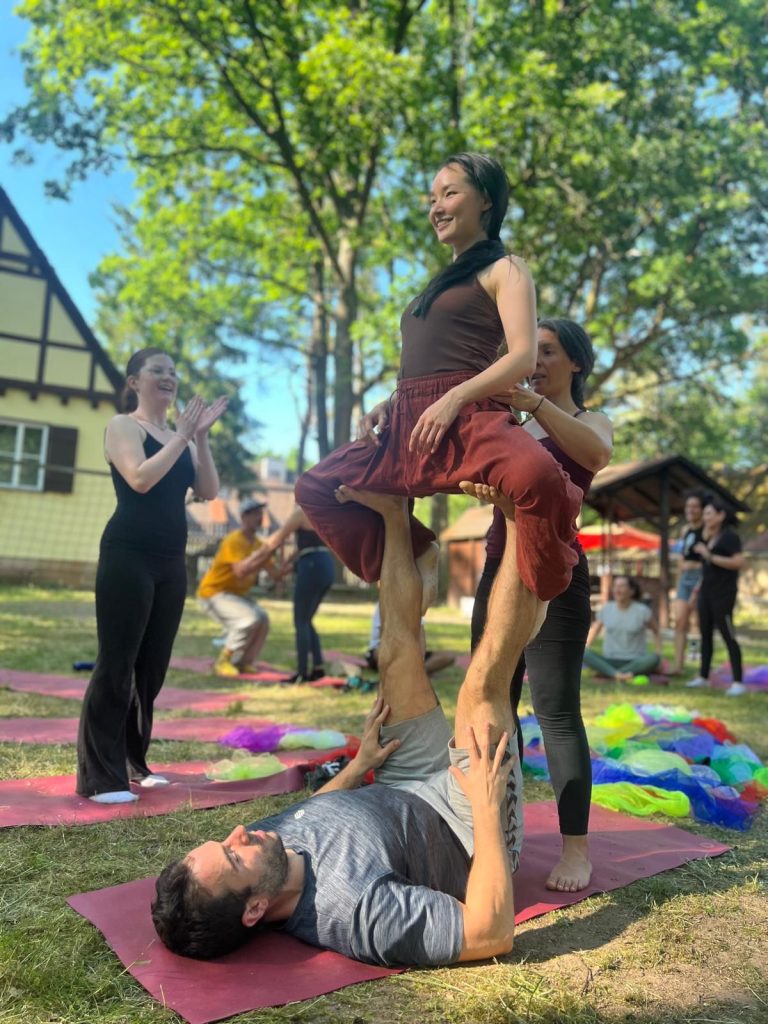
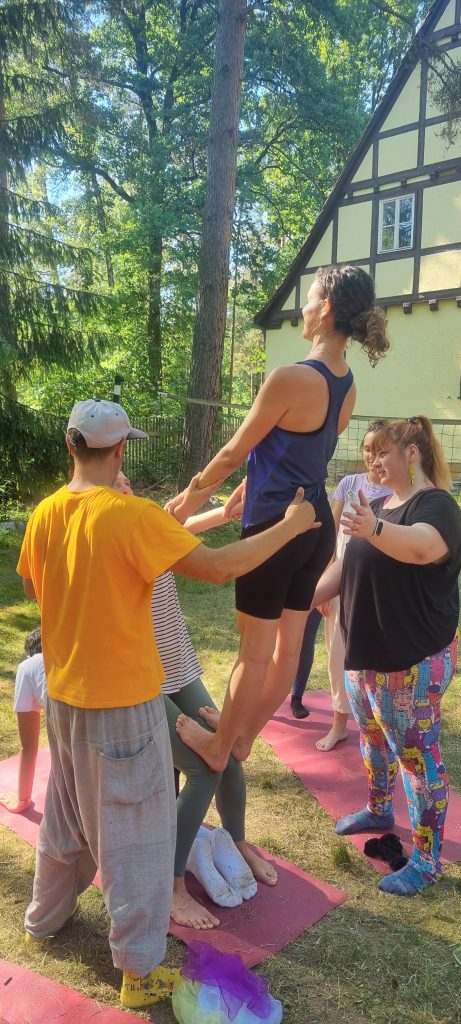
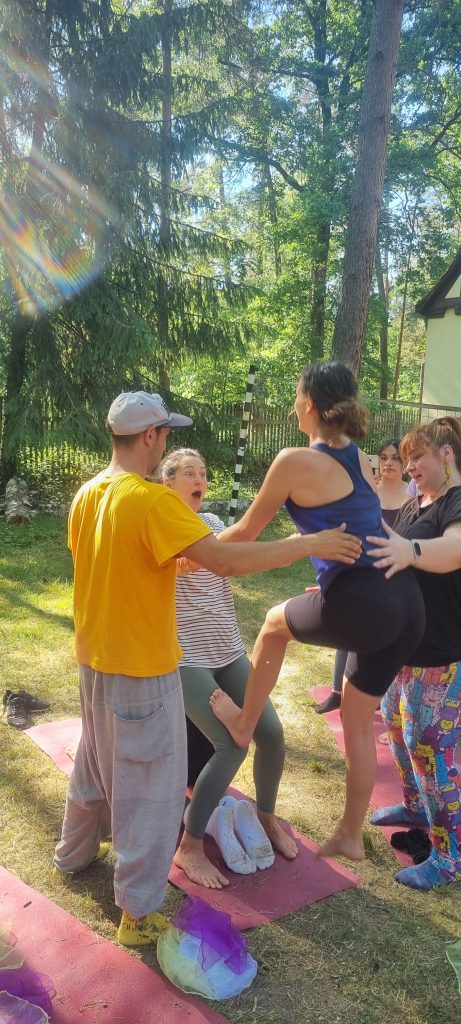
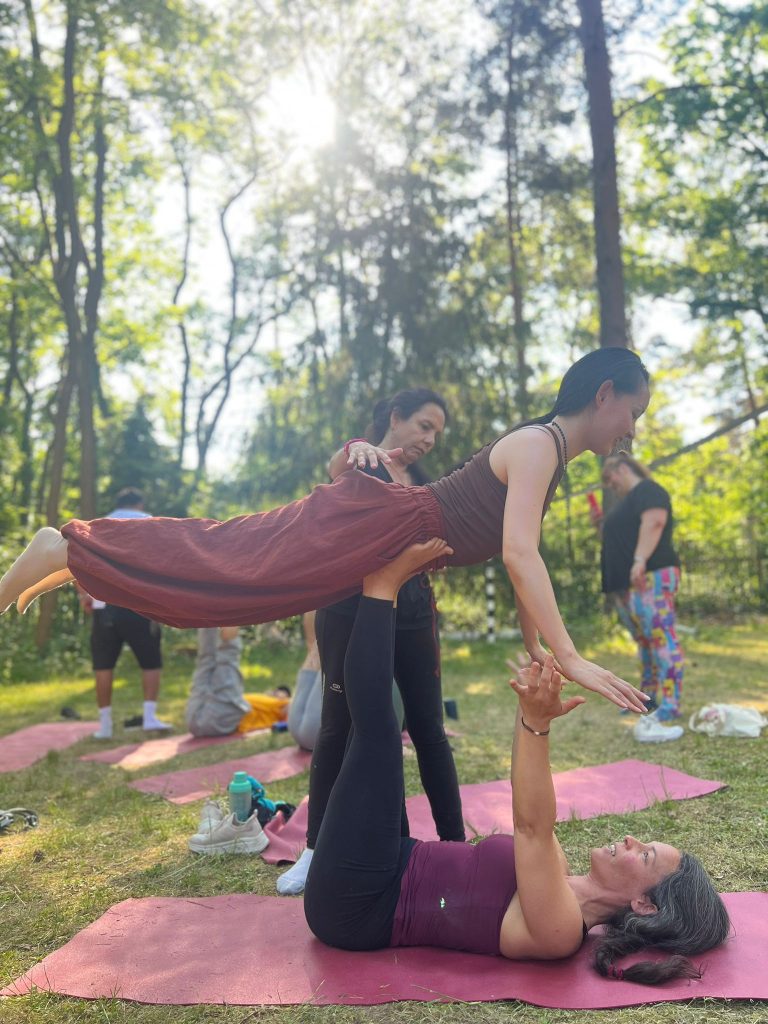
Cooperation and the topic of consent through circus arts and Acro-Yoga.
Resilience (exploration of personal energy: sources of strength and factors that diminish it, how to cope with failure, circus games, the power of play)
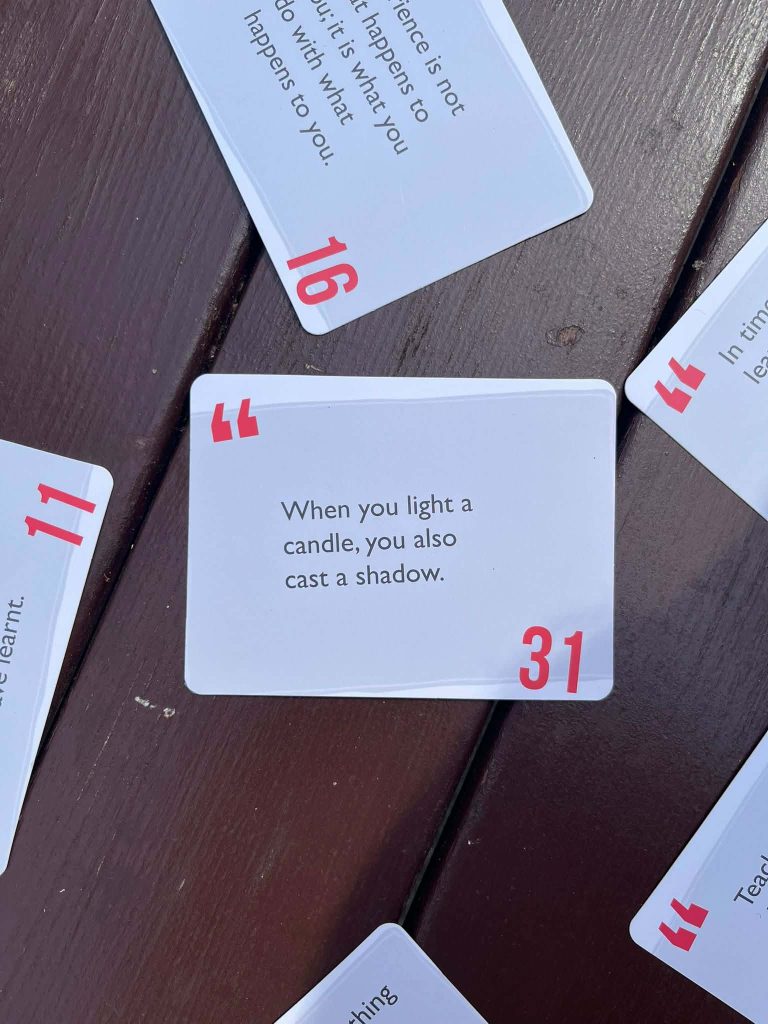
The overarching theme of the entire program was the metaphor of the tree, which aimed to provide continuity to a training program that our colleague described as an experiential journey designed to foster personal and community growth in the field of youth work.
Structurally, the training was divided into three types of sessions:“
1. Slow Start” session: an individual activity aimed at promoting body awareness and well-being, applicable both on a personal level and when working with young people. Examples of sessions we conducted included yoga, qigong, metamorphic massage, and a progressive muscle relaxation technique. These sessions lasted between 30 and 60 minutes.
2. Technical sessions: Morning: 3 hours of activities centered on the day’s theme. Afternoon: 3 hours of activities centered on the day’s theme
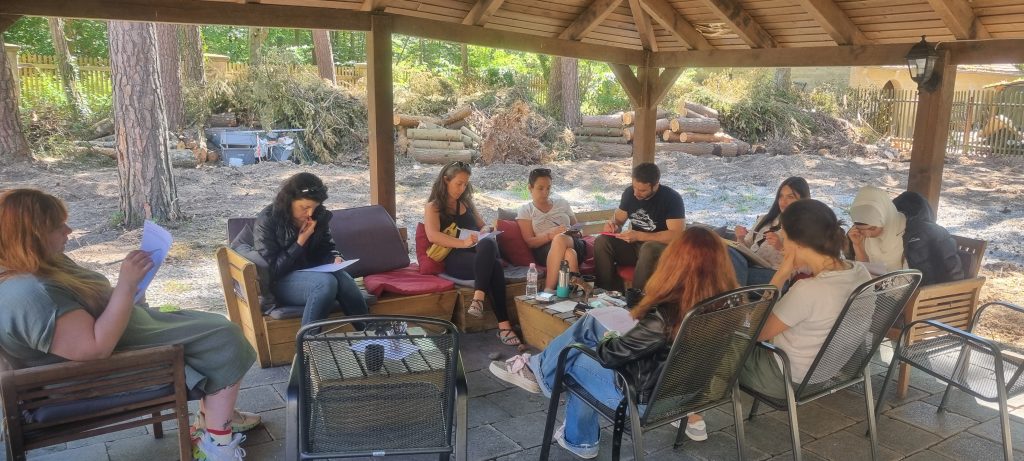
3. Reflection and evaluation groups: Three or four participants were assigned to each facilitator to lead these groups in reflecting on and evaluating the day’s activities.
Program of Activities
Saturday, May 23, and Sunday, May 24. Connection and Mental Health Through Nature and Theater.
Overarching Theme: Grounding, Roots, and Gathering Around the Tree
Main Activity: Connecting with oneself (self-awareness, self-discovery), with the group, with nature, and with the environment. Participants arrive, explore the surroundings and facilities, accommodation logistics, group dinner, and an evening session with various activities to get to know the participants and the team
Monday, May 25. Resilience and the power of play: work-life balance.
Overarching theme: Climbing and discovering the tree’s branches.
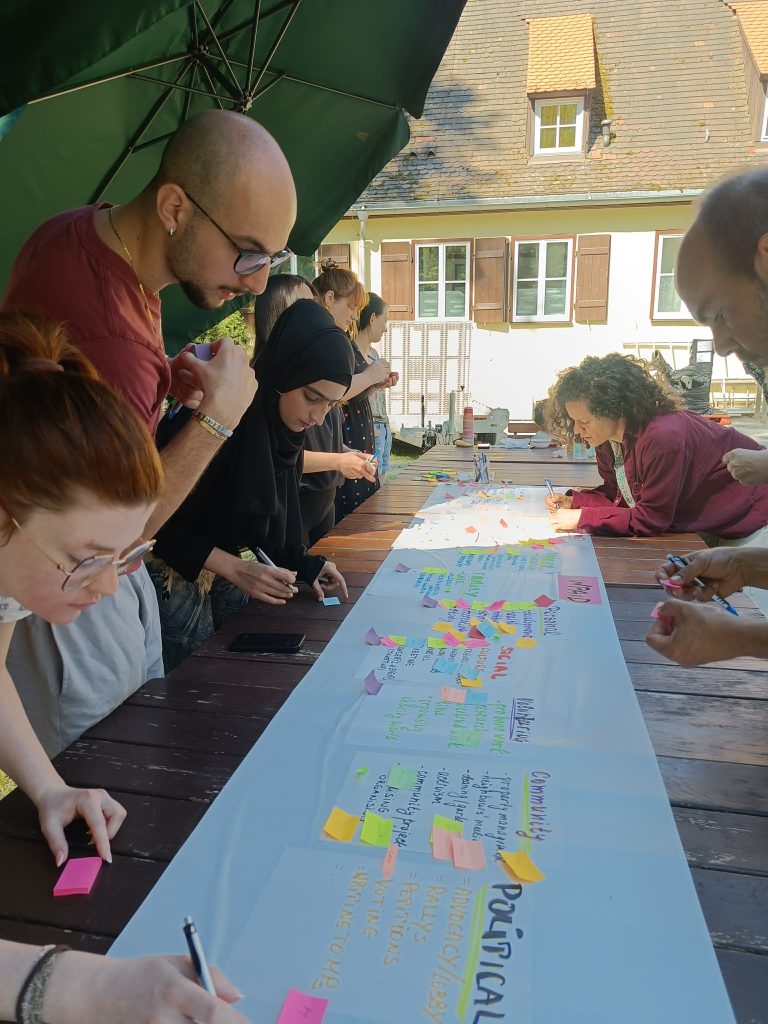
Main activity: Working with the inner child and finding happiness; self-reflection on inner strength and resilience; balance (tools for evaluating life and work, self-help strategies); facing the future. Resilience from a critical/political perspective
Tuesday, May 26. Cooperation through circus arts and acroyoga.
Thematic thread: Picking the fruit and climbing down from the tree.
Main activity: juggling, cooperation through group games, circus arts, and acroyoga; discussion on consent and a “sound forest” activity.
Wednesday, May 27: Well-being through movement therapies and theater
Theme: Enjoying the view from the treetops.
Main activity: Movement therapies, theater, and mindfulness-based activities. Open space for sharing wellness methods and techniques.
Thursday, May 28: Sharing and Reflection
Theme: Enjoying all the fruits of the forest together.
Main activity: Reflection on the learning process, Youth Pass, creative reflection, and evaluation, including group reflection, appreciation of the group, and strengths. Packing up materials and checking out of accommodations. Farewell and journey home.
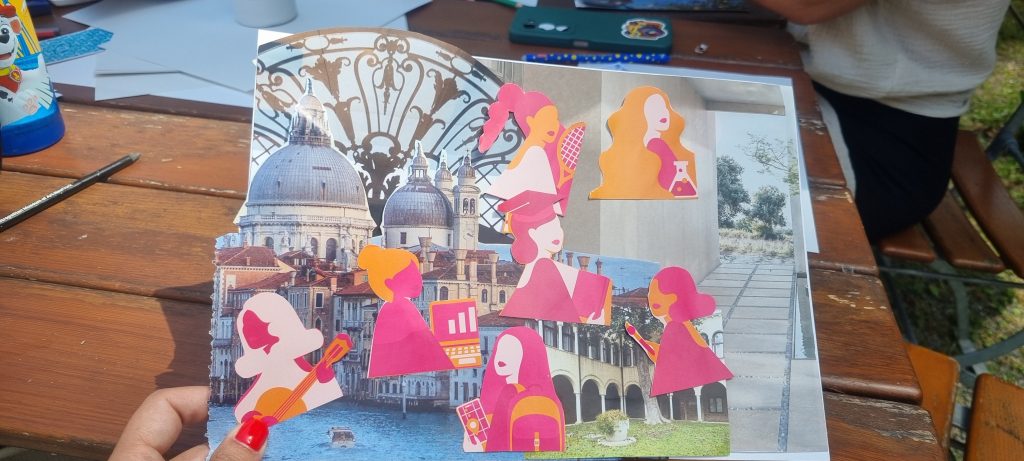
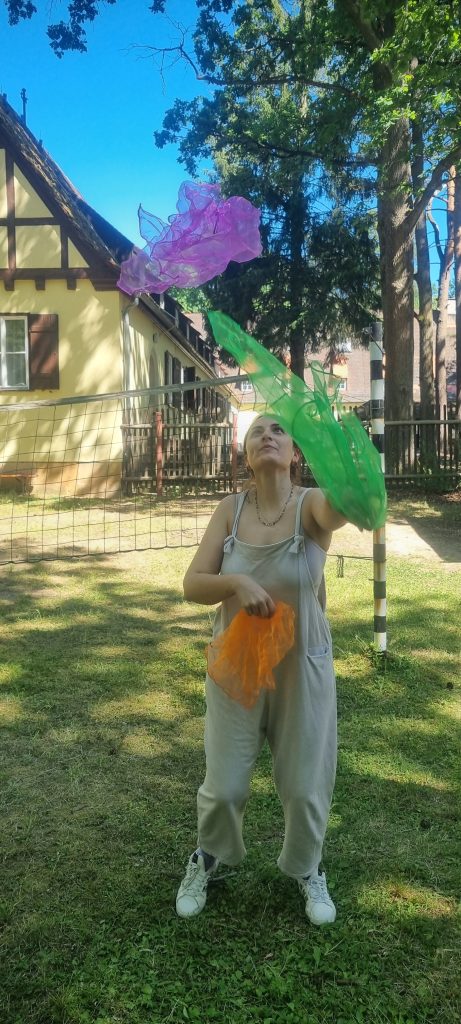
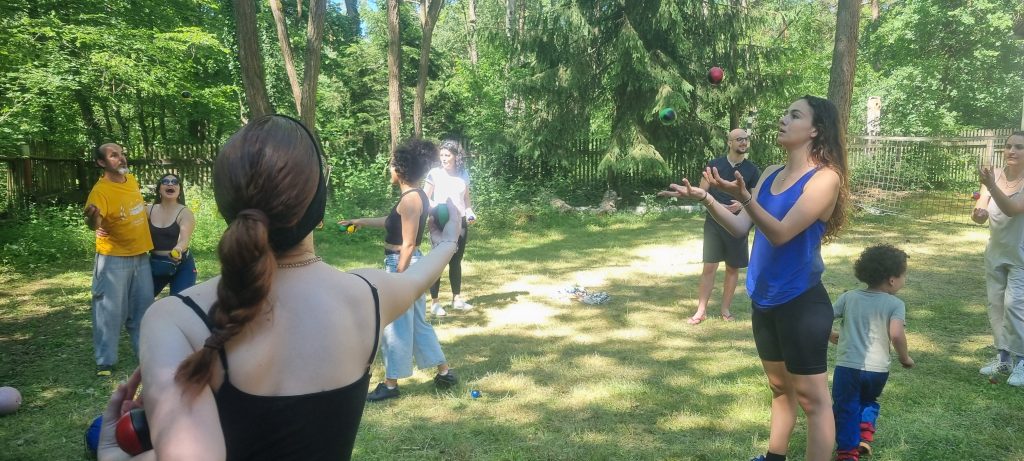
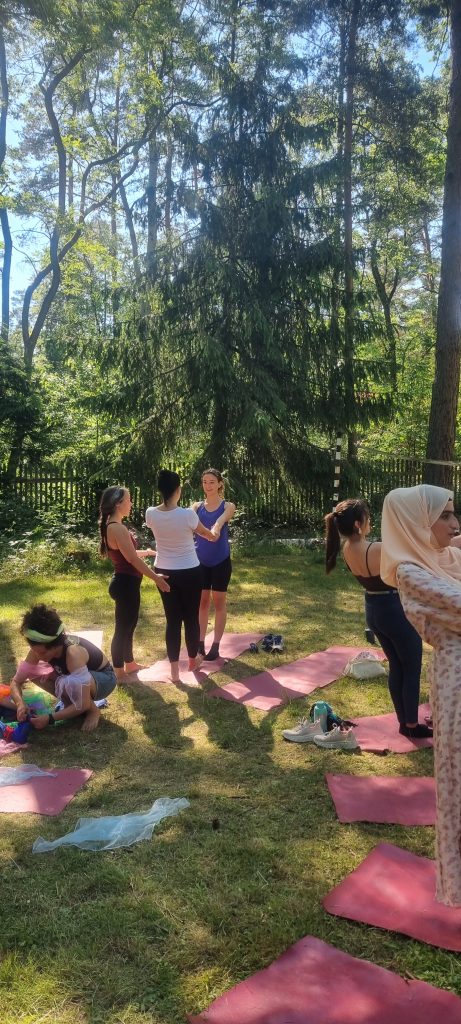
What aspects do we think made it work?
The team: The trainers’ commitment to providing and facilitating a high-quality, coherent training process, taking into account the well-being of both the participants and the trainers themselves. Their ability to adapt to each situation and their effort to actively participate in each other’s sessions.
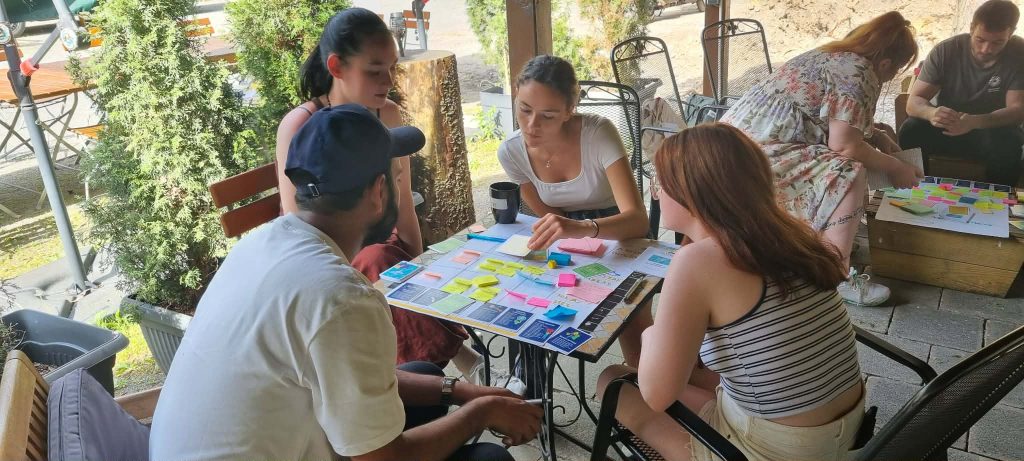
The group: The group dynamics were very positive, respectful, and open. The participants were motivated by the activities, participating actively and showing genuine engagement in the discussions and physical activities. The participants appreciated the relevance and diversity of the techniques they learned. In addition, most mentioned how easily the activities could be replicated in their work contexts.
The training’s structure and methodology: The daily structure of the training program—a gradual start, training sessions, and reflection groups—allowed participants time to process all the techniques they were learning, experiment with them, and identify ways to adapt and replicate them.
The connections and overarching theme: These elements, woven between sessions, provided coherence to a very diverse set of content.Group process: Prioritizing the group process improved group dynamics.
Participatory sessions: The participatory session in which participants became facilitators empowered them and fostered a more horizontal learning dynamic.